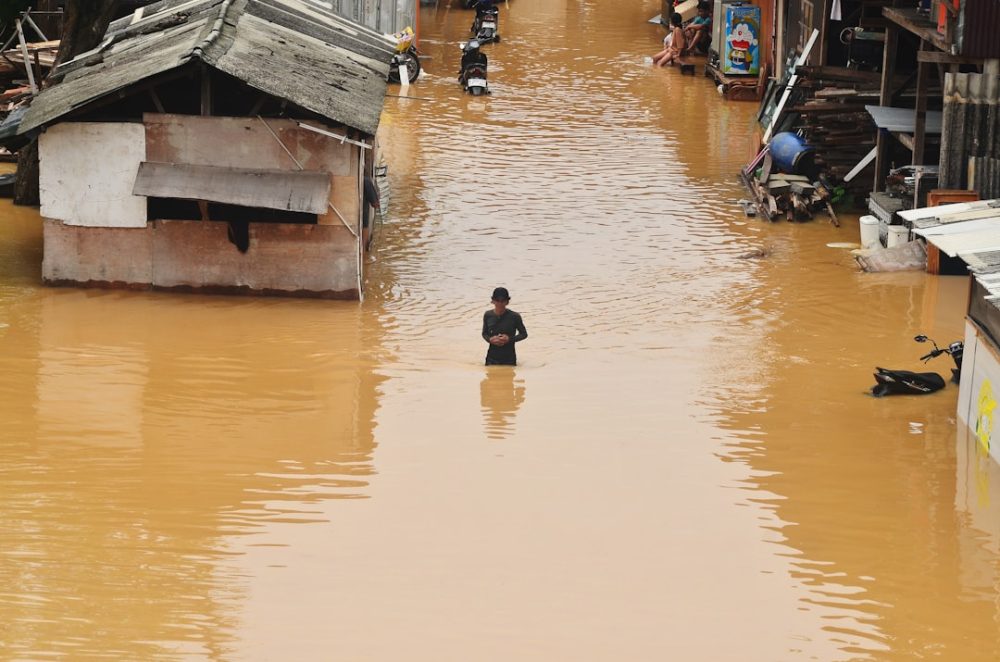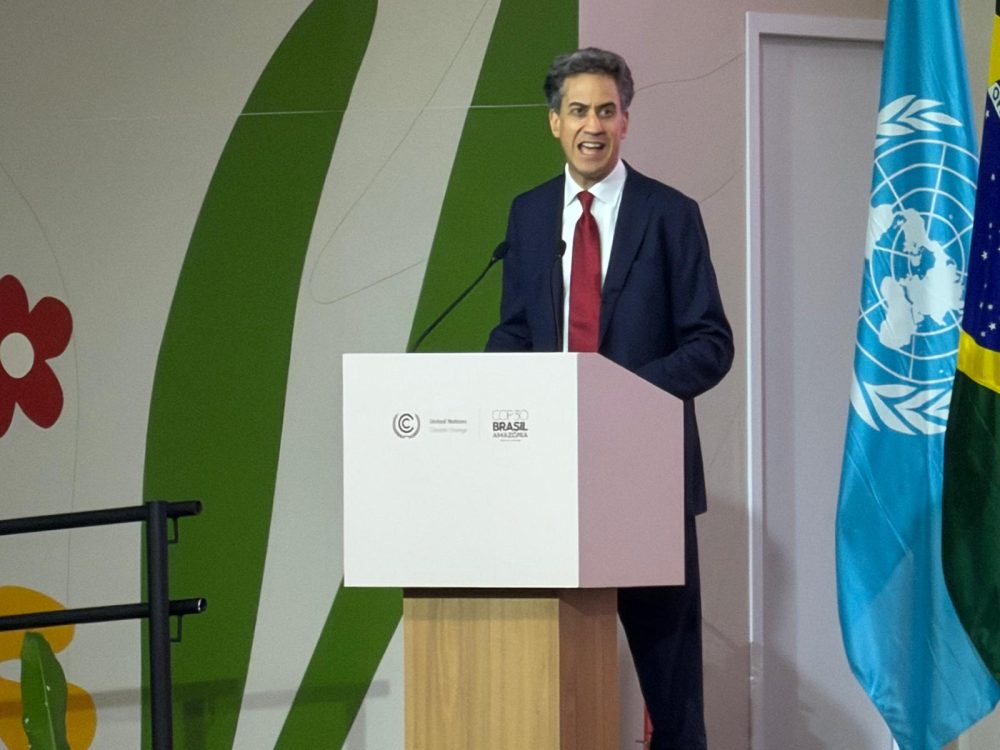
A just transition for workers and communities is the headline outcome – as COP30 ends in confusion in Belem – but the COP did not deliver as promised on implementation, with no meaningful action on finance.
There were many important issues on the table for this COP in the Amazon, but unfortunately, the outcomes were extremely weak. Global civil society came with a clear demand for a just transition mechanism to deliver for workers and communities around the world – a fight that we won. Beyond that, the good news is very limited and the process is very difficult, with little transparency and access for civil society gathering from around the world to hold their governments to account for stronger climate action.
However, even these weak outcomes may be overshadowed by the procedural concerns raised by Parties after they were gaveled through, and at this time it is unclear if these outcomes will still hold.
Catherine Pettengell, Executive Director of Climate Action Network UK (CAN-UK) said:
“The breakthrough issue at COP30 was a just transition for workers and communities, driven by the passion and determination of civil society, trade unions, youth, and people from all around the world. The mechanism we called for was the only concrete outcome of this otherwise hugely disappointing COP, showing the power of civil society coming together even in these difficult times for multilateralism.
“The dark cloud hanging over COP30 was the crushing lack of public finance and failure to do anything about it. This process will struggle to progress unless high-income countries – including the UK – get real about finance. Roadmaps do not lead to implementation if you cannot afford to travel to your destination.
“The one ray of light is the strength of the recognition of people, rights, and nature in the just transition – this truly can drive us towards better lives for everyone in the UK and around the world.
“COP30 could do better – and the UK’s homework is set for next week’s Budget. This government promised leadership on climate change, and polling consistently shows the UK public – in all parts of the country, and no matter which political party they support – back greater action on climate change. They also want the wealthy and largest polluters to pay for it. It’s time to get real about finance to ensure that future COPs are roadmaps with both a destination and a journey everyone can participate in.”
Mariana Paoli, Global Advocacy Lead at Christian Aid said:
“Brazil said this would be the ‘COP of truth’ – but the truth is, this was a disappointing outcome with only mild gains made in tackling the climate crisis.
“The elephant in the room was the lack of finance from rich countries to fund the energy transition away from fossil fuels and help vulnerable communities adapt to a climate crisis they have done nothing to create. This is why there is an increasing lack of trust in the process from poor countries.
“If rich nations had been willing to meet their finance obligations, a roadmap to phase out fossil fuels would have been on the cards. But without the money that became an impossible task.
“While there was a positive outcome at COP31 in the form of the Just Transition Action Mechanism to ensure the global shift from dirty to clean energy doesn’t hurt workers in the fossil fuel industry, meaningful outcomes on helping vulnerable countries adapt to climate change were missing.
“Overall it feels like this year’s summit was a missed opportunity for a COP taking place in the Amazon to step up meet the climate challenge head on. Without a better vision for what is required, poor and vulnerable people will continue to suffer from a problem they didn’t create.”
Liz Cronin, Climate Policy Lead at CAFOD (Catholic Agency for Overseas Development), said:
“Expectations for COP30 – taking place in a democracy, the Amazon, and a Jubilee Year – were sky high. The final Mutirão decision text, though not everything we had hoped, contains a very significant victory on a just transition implementation mechanism. This should be celebrated; it is a testament to the strength of civil society and developing countries, and what the multilateral COP process can achieve.
We take two important fights to COP31 in Turkey: developed countries finally delivering the non-debt creating finance climate-vulnerable countries need, and a uniting around the fossil fuel transition commitment that was hard-won two COPs ago. Without both, a 1.5°C world is out of reach.”
Izzie McIntosh, Campaigns and Policy Manager at Global Justice Now, said:
“Once again, governments didn’t make change at COP, but movements did. Over decades, activists and workers globally have forced a just transition from fossil fuels onto the UNFCCC’s agenda. This year, we won a mechanism that can keep the just transition fight alive at COP, while the UK undermined its focus on ending fossil fuels by frustrating our efforts and failing on finance once again.
“The truth is simple: fighting climate change is impossible without an energy transition that makes the richest pay and puts power back in the hands of people all around the world. The sooner the UK and other governments realise that, the better for us all.”
Beccy Speight, Chief Executive of the RSPB, said:
“COP30 brought some positive steps forward on forests, nature and human rights, and reduced the growing risk of harmful bioenergy. Despite real leadership from some countries and enthusiasm in the halls, efforts to tackle nature loss, climate change and desertification together were blocked. Presidency efforts to start a deforestation roadmap must now bear fruit if the promise of an ‘Amazon COP’ is to be even partially fulfilled.”
Ben Wilson, Director of Public Engagement for SCIAF, said:
“The COP30 breakthrough on the issue of the Just Transition is good news for people and planet. This sends a message to workers all over the world that the COP is also working for them, and that it’s in all our interests to ensure the green economy is a fairer economy. But that’s just one side of this COP – the other is the massive failure of the richest countries to stump up more climate cash. More broken promises on finance will mean less and less climate action in the Global South. Global North leaders need to wake up to this reality, and get ready to bring much more cash to the table at COP31 in Turkey.”
Louise Hutchins, Convenor at Make Polluters Pay, said:
“The climate arsonists — the fossil fuel giants — were finally in the crosshairs at COP30. And that genie isn’t going back in the bottle. Over 80 governments, including the UK, are now backing a global phase-out of oil, gas and coal. President Lula has vowed to keep pushing, and an April summit led by Colombia and the Netherlands will ramp up pressure for a fair, cooperative transition.
“But real climate progress remains out of reach until richer nations put money on the table — and until oil companies and the wealthy finally pay up.
“The political space is open. Now we must turn it into a real fire escape to a safer world.”
Sam Perriman, Public Policy Lead at Tearfund, said:
“This year’s climate summit is a significant step in the right direction, even if the final Mutirão decision text is a long way from what the world so desperately needs. The inclusion of a ‘just transition’ in the text is very welcome, we need to ensure that communities are supported with sustainable, dignified jobs and livelihoods as we shift to a green economy.
Disappointingly, wealthy nations have once again failed to stump up enough cash for climate finance, holding back communities living in poverty as they adapt to the impacts of climate breakdown. The amount that has been promised falls far short of what is needed to help communities adapt to a more dangerous and less predictable climate. As we look to COP31, we call on leaders to deliver climate finance and ensure that justice is at the heart of climate action.”
Asad Rehman, Chief Executive of Friends of the Earth England, Wales and Northern Ireland, said:
“After two weeks of fraught negotiations, rich countries had to be dragged to the table kicking and screaming to reach the outcome we have today. They tried to bully developing countries into accepting crumbs and the weakening of language in the text to serve their interests. But for once, we can at least say we have taken a small step forward with the adoption of the Just Transition mechanism and a recognition of the need for public finance to help countries adapt to climate breakdown. This will be welcomed by the millions for who these talks are life or death. However, the scale of the crisis we face requires giant leaps forward from rich developed countries who’ve caused this crisis.”
Debbie Hillier, UNFCCC lead, Mercy Corps and the Zurich Climate Resilience Alliance, said:
“COP30 was variously called the implementation COP and the adaptation COP. In the event, little was achieved with climate finance again proving to be the block to real progress, and developed countries sidestepping their existing obligations.
“A scale up of adaptation finance emerged as a key ask of developing countries, but the final agreement offers very little, with no clarity on how much will be provided and indeed who will provide the finance. There is much to do to turn this weak outcome into real impact.”
Doug Weir, Director of the Conflict and Environment Observatory (CEOBS), said:
“After a COP of high hopes and good intentions, the final text is a moral failure for communities already facing the worst impacts of climate change. Instead of the bold action needed to keep 1.5 alive, it offers weak, vague, and non-binding promises that will do very little to change the alarming trajectory of the climate crisis.
“Militaries, responsible for at least 5.5% of global emissions, also remain unaccountable, letting one of the world’s largest emitters off the hook while those on the frontlines face the impacts. With the fossil fuel roadmap abandoned entirely, COP has barely moved the dial on ending fossil fuel dependency. We’re no further along than we were in Dubai two years ago and facing an even tougher mountain to climb.”
Sol Oyuela, WaterAid’s Executive Director, Global Policy and Campaigns, said:
“This year, we’ve seen some critical progress at COP30, including progress on the landmark Global Goal on Adaptation (GGA) – laying a foundation for delivering support to those who need it most.
“But, far more needs to be done, and it is deeply frustrating, and frankly dangerous, that the wider package fails those most impacted by climate change. Progress cannot stall here: we need clear increases in finance, tangible adaptation actions and a step-change in ambition on mitigation.
“The climate crisis won’t pause for geopolitics. The floods, droughts and cyclones intensified by a warming world demand to be confronted now, not passed on to future generations.
“Now we have the framework, we need the finance to implement it. We urge the international community to harness the momentum of the past two weeks, regroup, and triple adaptation finance so we can close the financing gap.
“Millions of lives, livelihoods – and the legacy we leave behind – hang in the balance.”
Ruth Tanner, UK Country Director, World Animal Protection, said:
“The so-called ‘COP of truth’ turned its back on the climate destruction and suffering caused by industrial animal agriculture. Big agribusiness won at COP30, while wildlife and farmed animals were reduced to commodities and excluded from any climate action.
“For a COP hosted in the Amazon, it’s devastating that deforestation took a back seat. Wildlife, indigenous people and traditional communities who call the forest home deserved far better.
“The UNFCCC must act decisively to curb the influence of ‘big ag’ and tackle emissions from food systems if it hopes to salvage credibility ahead of COP31 in Türkiye.”
Jamie Williams, Senior Policy Advisor – Poverty Reduction, Islamic Relief Worldwide, said:
“The appalling decision on the Global Goal on Adaptation has thrown away years of intensive work and leaves people homeless and in poverty to their own devices in adapting to climate breakdown.”
Zoe Quiroz Cullen, Director, Climate & Nature Linkages, Fauna & Flora, said:
“Whilst we welcome that the need to help communities adapt to their changing reality brought about through climate change has finally been recognised, this hard-won recognition has not been backed by the level of finance, detail or commitment needed. The agreement to triple adaptation financing by 2035 sounds dramatic but will deliver too late, regurgitates previous commitments and it is unclear from the text as to what baseline figure will set the projected tripling.
“Nature is our greatest ally in this existential battle and we welcome that this COP has explicitly stated that we cannot build a better and more resilient future for people without protecting the mountain, ocean and land based ecosystems that help protect us all. Adaptation finance must now rapidly target ecosystem-based strategies led by local people for maximum impact. When we invest in nature and people, we not only build resilience to climate change, but we unlock wider benefits for vulnerable communities, our planet’s ecosystems, for our economies and for climate mitigation.
“It is devastating however that again COP talks have ended with the elephant very firmly still in the room – and no roadmap to how the world moves on from fossil fuels in time to have a more liveable future for all of us on our beautiful planet. We look to the COP presidency to advance negotiations on this roadmap with urgency and with the voices of those whose futures depend on this ringing in their ears.”
Beth John, Climate Justice Adviser at Oxfam GB, said:
“COP30’s agreement on a just transition mechanism is a major win and a significant step forward for ensuring the transition to a greener future is fair, inclusive and protects the rights of communities and workers. But, with the urgency of the climate crisis all too clear, this COP should have moved the world much closer to implementing the policies we need to provide real change for communities on the frontlines of this crisis. Without concrete commitments on finance, or phasing out fossil fuels, these negotiations still fall short.”
Gareth Redmond-King, Head of International Programme at the Energy and Climate Intelligence Unit, said:
“10 years of momentum from Paris have set economic forces behind the clean transition to the tune of trillions of dollars this year – twice the investment in fossil fuels – and slowed emissions growth to the point where we now see China’s emissions coming down. Against this backdrop, 194 nations came together to continue work on the multilateral process that achieved this.
“And they did a deal that is good for workers and communities as industries transition, and moves us on with adaptation to worsening climate impacts – crucial as our food supply chains are hit by climate-driven extremes at home and abroad. Net zero emissions is the only solution we have to restore balance to our climate and limit ever worsening damage and cost. For the process to move further and faster next year – and capitalise on Brazil’s plans for fossil fuel and deforestation roadmaps – requires boldness and innovation to bring finance to the table. But for now, COP30 has moved things on – but with so much more still to do.”
Hannah Bond, co-CEO for ActionAid UK, said:
“Securing a Just Transition Mechanism with the strongest rights and inclusion language ever agreed is a historic victory — won by frontline communities and the civil society movements that refused to be silenced. But progress struck behind closed doors, while finance remains woefully short, is not the mark of a successful COP. Women and communities in the Global South are already leading the way with real solutions; now powerful countries like the UK must stop blocking ambition, put meaningful finance on the table, and finally show the courage of those fighting every day for their lives and their futures.”
ENDS
Notes for editors:
- Climate Action Network UK (CAN-UK) brings together international development and environment organisations in the UK working on the poverty-nature-climate agenda to advocate for climate justice and sustainable development for all.
- CAN-UK is the UK node of Climate Action Network (CAN), a global network of more than 1,900 civil society organisations in over 130 countries driving collective and sustainable action to fight the climate crisis and to achieve social and racial justice. climatenetwork.org.
- Read CAN-UK’s COP30 briefing paper, which outlines our key asks for COP30.
- On the 13th October, CAN-UK and more than 45 charities, campaigns and trade unions called for the UK to champion an ambitious outcome on just transition at COP30. You can read the open letter here.
- CAN-UK Executive Director Catherine Pettengell will be attending COP30 in Belém, Brazil and is available for interview.